From Volunteer to Booked: Building a Sports Photography Portfolio
Nobody hires a sports photographer with no sports photographs, which is an obvious problem when you are starting. Here is the route I actually took, and what I would do differently.
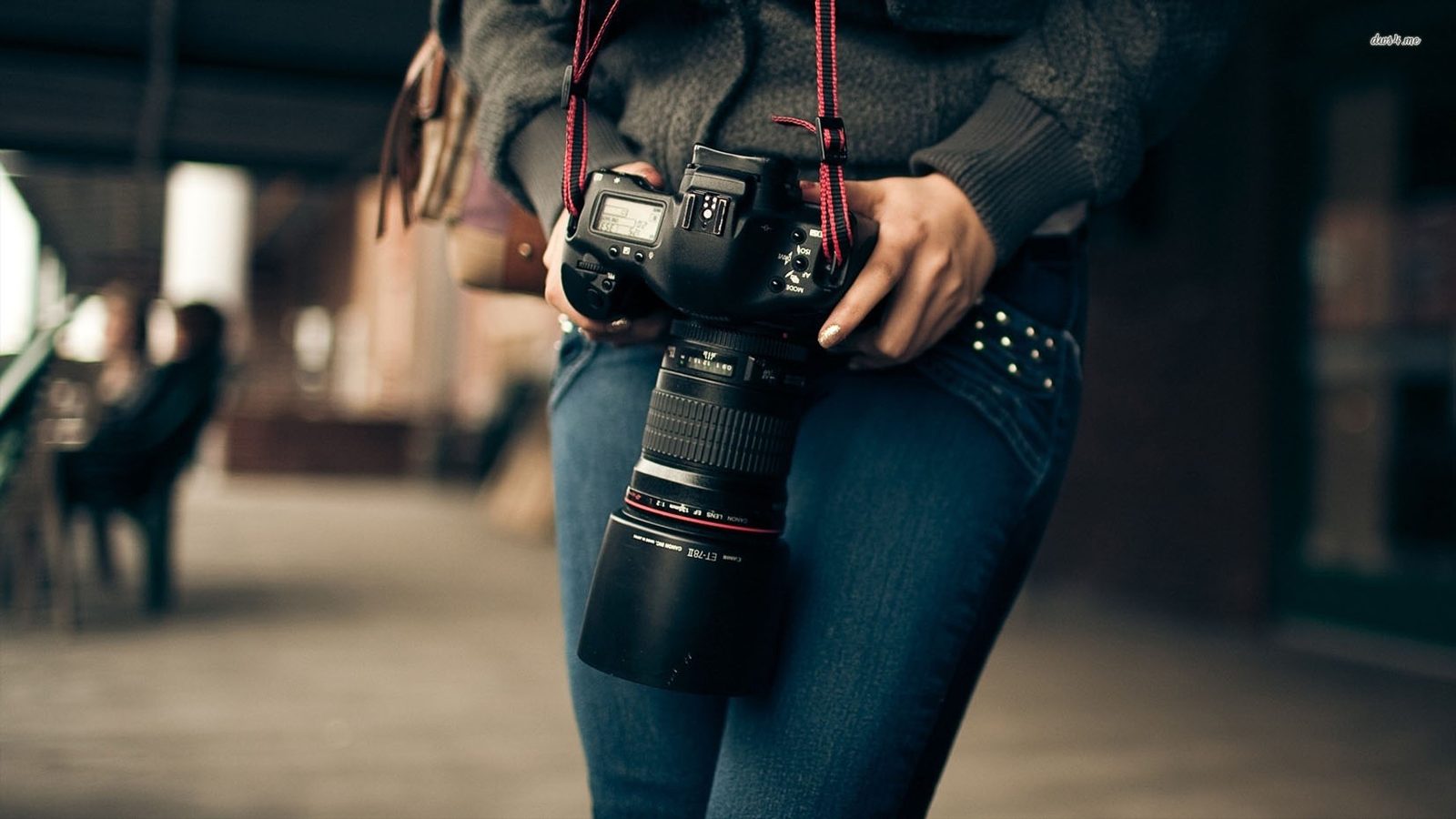
I came second in a photography competition at primary school and did not do anything serious about it for another decade. When I finally decided to pursue sports photography properly, I ran into the problem everybody runs into: clubs want to see sports photographs before they let you photograph their sport.
This is how I got out of that, across three seasons of volunteering at local clubs while studying. None of it is clever. All of it works.
The chicken-and-egg problem
The barrier is not skill and it is not equipment. It is access. You cannot photograph a football match from behind the barrier with the supporters and produce anything competitive — you need to be on the touchline, and touchline access is given, never taken.
The way through is to make yourself worth having around before you are worth paying. That means volunteering, and volunteering properly rather than as a transparent portfolio-farming exercise.
You are not asking a club for a favour. You are offering something a small club genuinely lacks: consistent, decent photographs of their teams that they can use. Frame it that way, deliver on it, and the access looks after itself.
How to actually get access
Start at the level below where you want to end up. Junior and youth sections, lower-league clubs, university teams, county-level tournaments. These organisations are run by volunteers who are already overworked and who have no photography budget at all.
The approach that consistently works:
- Email one named person, not the club address. Find the media officer, the secretary or the junior section lead. A generic address goes nowhere.
- Be specific about one fixture. "Can I photograph your home game on the 14th?" is answerable. "Can I photograph your club?" is a project nobody has time to think about.
- Say what they get and when. "I will send you thirty edited photographs within 48 hours, free, for you to use however you like." That is a concrete offer.
- Say what you want. A credit when they post the images, and permission to use them in your portfolio. Both. In writing.
- Turn up early and behave well. Introduce yourself to whoever is in charge on the day, ask where you may stand, and follow the answer.
Expect a low response rate at first. I sent eleven emails to get my first two yes replies. Both of those clubs then introduced me to others, which is how it always goes: the first one is by far the hardest.
One thing to get right immediately: if there are under-18s involved, ask about the club's safeguarding and photography consent policy before you photograph anything, get the organiser's written permission, and follow whatever process they have. Clubs take this seriously and so should you. Getting it wrong will end your relationship with the club and it deserves to.
What to shoot in your first season
The instinct is to shoot only action, because action looks like sports photography. This is a mistake, for a reason that took me a year to understand: everyone can eventually get a decent action frame, and clubs already have twelve of them from a parent with a bridge camera. What they do not have is everything else.
So shoot the whole day:
- Arrival and preparation. Kit bags, boots, taping ankles, the empty changing room.
- Warm-up. Better light and less pressure than the match, and often better frames.
- Action, obviously. But be specific about which action — goals, saves, tackles, and every player at least once.
- Reaction. Celebrations, arguments with officials, the bench, the manager.
- Supporters. Especially children, families, the regulars who have been coming for forty years.
- The venue. Floodlights, the tea hut, the scoreboard, the walk out of the tunnel.
- The end. Handshakes, applause, an empty pitch at full time.
A portfolio built only of action frames says "I own a long lens". A portfolio that tells the story of a matchday says "I know what I am doing", and that is what gets you booked.
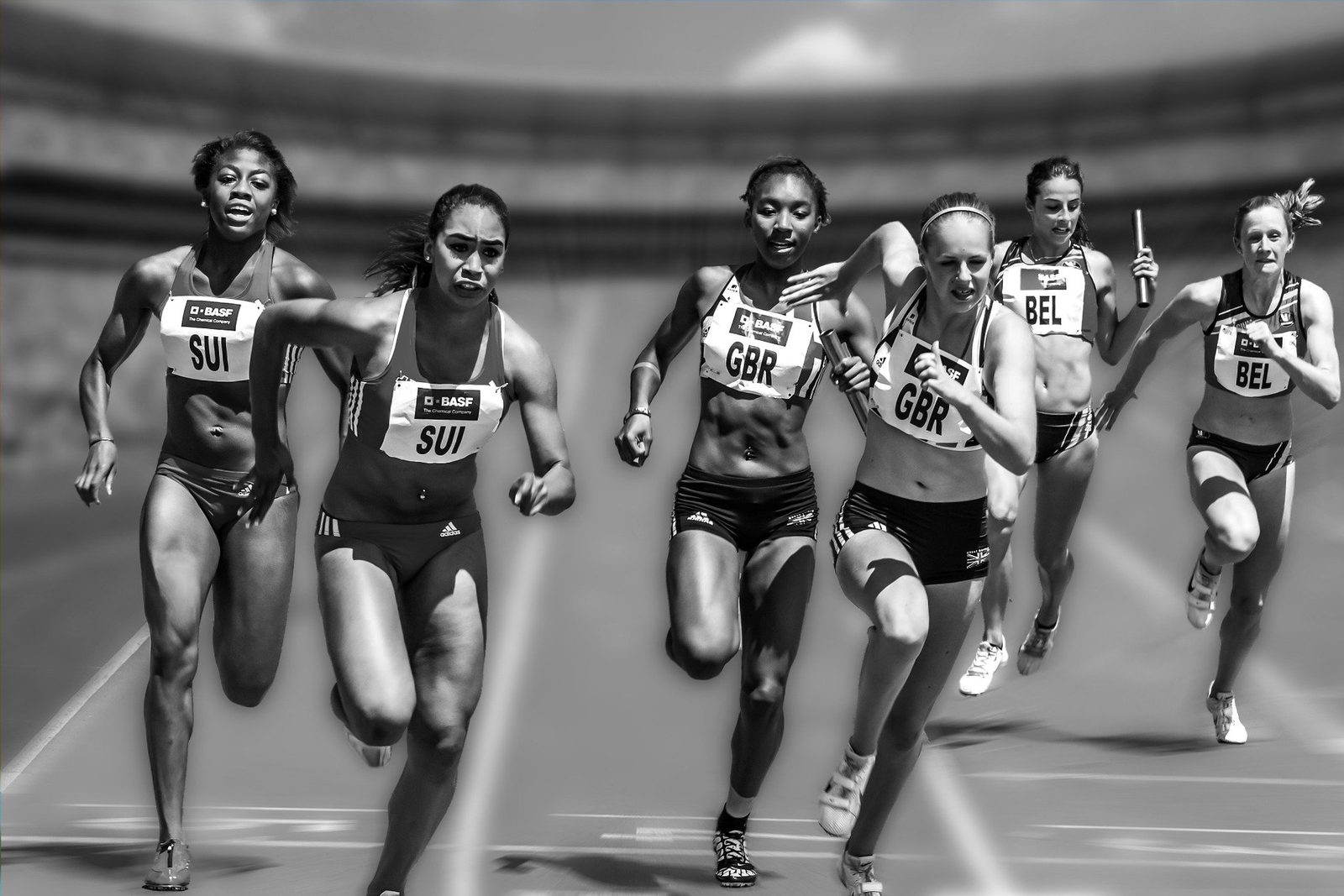
Editing ruthlessly, which is the hard part
You will come home from your first fixture with 1,200 frames. Somewhere between 20 and 60 of them are worth showing. Finding those, and deleting the rest without sentiment, is the skill that improves your work fastest — faster than any technique, and considerably faster than any purchase.
My process, which takes about 40 minutes for a match:
- First pass, fast. Full screen, arrow key, flag or reject in under a second per frame. Reject anything soft, badly timed or with a closed eye. No thinking. This removes about 70%.
- Second pass, comparative. Group near-identical frames from the same burst and keep exactly one. This is the pass people skip, and it is why so many galleries contain six versions of the same tackle.
- Third pass, editorial. Ask of each survivor: what is this photograph for? If the answer is "it is quite sharp", cut it.
- Balance the set. Check you have both teams, a spread of players, and a mix of action and non-action. Add back or remove to fix it.
Never show anyone your second-best version of anything. A gallery of thirty excellent frames is worth more than a gallery of eighty good ones, because people judge you by your weakest published image, not your strongest.
Building the portfolio itself
Once you have three or four fixtures behind you, build the actual portfolio. A few things I would tell my earlier self:
Organise by sport, not by date. A prospective client is a hockey club or a tennis club. They want to see whether you can photograph their sport, not what you did last March.
Cap each gallery at 20 to 30 images. Nobody scrolls past thirty. A tight gallery of twenty reads as confident; a sprawling one of ninety reads as indiscriminate.
Lead with your strongest frame, and end on one nearly as strong. People remember the first and last images and skim the middle.
Show consistency, not peaks. One extraordinary photograph surrounded by mediocre ones suggests luck. Twenty consistently good ones suggest reliability, and reliability is what someone is buying when they book a photographer for a fixture they cannot repeat.
Write captions. Two lines saying what the match was, what happened and why the frame matters. It demonstrates that you understand the sport, which matters more to clubs than you would think.
Make it fast and make it work on a phone. Most people will look at your portfolio on a phone during a committee meeting. If images take four seconds to load, you have lost.
The first paid job and what to charge
The transition from free to paid is uncomfortable and it is easier if you decide the terms in advance rather than negotiating on the spot.
Signals that a club is ready to pay: they ask you to cover a specific fixture rather than accepting whichever one you offered; they ask for images by a deadline; they want to use images in printed material or for sponsors; or they ask what you would charge. That last one is not small talk — answer it with a number, not with "whatever you think is fair".
How to arrive at that number:
- Count all the hours. A two-hour fixture is 45 minutes of travel each way, an hour on site before kick-off, two hours of sport and three hours of editing. That is roughly eight hours, not two.
- Add real costs. Fuel, insurance, equipment depreciation, storage, software subscriptions, website. Equipment wears out and needs replacing from earnings, not from savings.
- Check the local market. Ask other photographers what the going rate is in your area. Most will tell you.
- Do not undercut to win work. A club that books you because you are the cheapest will drop you the moment somebody cheaper appears, and you will have depressed the rate for everyone including your future self.
- Put it in writing. What is included, how many edited images, delivery date, licence terms, what happens if the fixture is postponed. A single side of A4 prevents almost every dispute.
The licence point is the one beginners most often get wrong. Under UK law the photographer owns the copyright in their photographs; what the client buys is a licence to use them. Say clearly in the quote what that licence covers — social media, website, print, sponsor use, duration — so nobody has to guess later.
Turning one club into three
Almost all my work has come through other clubs rather than through advertising. Local sport is a small and well-connected world: the secretary of one club is on the committee of another, and the referee this Saturday runs a junior section on Sundays.
What actually generates referrals:
- Deliver early. Beating your own deadline by a day is remembered far longer than any single photograph.
- Make the images easy to use. Correctly sized for social, correctly named, in an organised folder. Clubs are run by volunteers on a Tuesday evening.
- Give away a few frames. Sending the club three or four good images from a match you were not booked for keeps you in mind at no real cost.
- Ask directly. "If you know anyone who needs this, I would be grateful for an introduction." People help when asked and rarely think of it otherwise.
- Stay visible. Post consistently, tag the clubs, credit the players. Parents share those posts and that is your advertising.
Mistakes I made so you do not have to
Buying the long lens before learning to position. I spent money on reach that I should have spent on understanding where to stand. Position beats focal length in almost every situation.
Shooting everything and editing nothing. My first season produced tens of thousands of frames and a portfolio I would not show anyone now. Shoot less, choose harder.
Working for free for too long. Volunteering is how you start. It is not a business model, and there is a point — roughly when clubs start asking for specific dates and specific deliverables — where continuing to work free devalues you and everyone else.
Not backing up properly. I lost a full match to a corrupted card in my second season, and there was no second copy. Two cards in the camera if the body supports it, and a copy on a second drive before you sleep. Non-negotiable.
Chasing better equipment instead of better access. A photographer with a five-year-old body standing in the right place will beat a photographer with the newest camera standing in the wrong one, every single time.
Thomas Brown is a sports and documentary photographer based in Newport, Shropshire, with an MA in Photojournalism & Documentary Photography from the University of the Arts London. Get in touch about a fixture, a tournament or a commission.